









Top Mobile App Development Trends to Watch in 2025
Overview
Table of Contents
- What Are the Emerging Mobile App Development Trends in 2025?
- Why 5G Will Be a Game-Changer for Mobile Applications
- How AI and Machine Learning Are Powering Personalized App Experiences
- What Makes AR and VR a Must-Have for App UX in 2025?
- Why Low-Code and No-Code Platforms Are Revolutionizing App Development
- How Blockchain Ensures Security and Transparency in Mobile Apps
- What Are Super Apps and Why Are They Dominating the Market?
- Where Is Cross-Platform Development Headed in 2025?
- How Cloud-Based Apps Improve Scalability and Storage
- Why Wearable App Integration Is a Booming Segment
- What Role Does IoT Play in Mobile App Innovation?
- How Mobile Apps Are Supporting Digital Wellness and Mental Health
- Why Progressive Web Apps (PWAs) Are Still Relevant in 2025
- How Voice Search and Voice-Enabled Interfaces Are Transforming UX
- What Makes App Security a Top Priority in 2025?
- Where Is App Monetization Heading in 2025?
- How Sustainability Is Influencing Mobile App Development
- Why JBcodeapp Leads in Modern Mobile App Development
- How JBcodeapp Helps Startups Launch MVPs with Low-Code Tools
- Final Thoughts
What Are the Emerging Mobile App Development Trends in 2025?
Mobile app technology continues to evolve rapidly. In 2025, it's not just about having an app—it's about creating immersive, intelligent, and interconnected experiences. With rising user expectations, faster mobile networks, and breakthroughs in AI, mobile apps are transforming into full-scale digital ecosystems.
This year marks a pivotal shift where user-first design, AI integration, low-code solutions, and cross-platform innovation lead the way. App developers and business owners alike must adapt to stay competitive, relevant, and future-proof.
Why it matters for your business:
-
Enhanced personalization = better retention
-
Scalable architecture = long-term savings
-
Trend-aligned UX = competitive differentiation
Why 5G Will Be a Game-Changer for Mobile Applications
With the global rollout of 5G, mobile experiences are reaching unprecedented performance levels. This isn't just an upgrade—5G is redefining app capabilities across industries.
What’s transforming:
-
Near-zero latency means smoother real-time interactions for video conferencing, gaming, and telemedicine.
-
Gigabit speeds allow massive data transfer, enabling AR apps, cloud rendering, and live-streamed services.
-
IoT-driven mobile apps benefit from enhanced network responsiveness and device coordination.
5G is enabling everything from driverless cars to remote surgeries—directly from mobile apps.
How AI and Machine Learning Are Powering Personalized App Experiences
AI is no longer optional—it’s the brain behind smarter, user-centric mobile apps. In 2025, businesses that embed AI/ML into their mobile strategy can automate, predict, and personalize at scale.
Core AI Applications in Mobile Apps
- Smart recommendations: E.g., Netflix-style content engines or product suggestions in eCommerce.
- Chatbots & virtual assistants: Respond in real-time with NLP capabilities, saving support costs.
- Predictive insights: Apps now anticipate user behavior and offer solutions before users even ask.
AI Use Cases by Industry
- Healthcare: Symptom checkers, diagnosis bots, and AI-powered appointment booking.
- Education: Adaptive learning platforms and AI tutors.
- Finance: Fraud detection, personalized investment advice.
“The smartest apps in 2025 won’t just serve—they’ll think.” – JBcodeapp AI Strategy Lead
Pro Tip : Start small with AI—integrate chatbots or product recommendation engines first, then scale.
What Makes AR and VR a Must-Have for App UX in 2025?
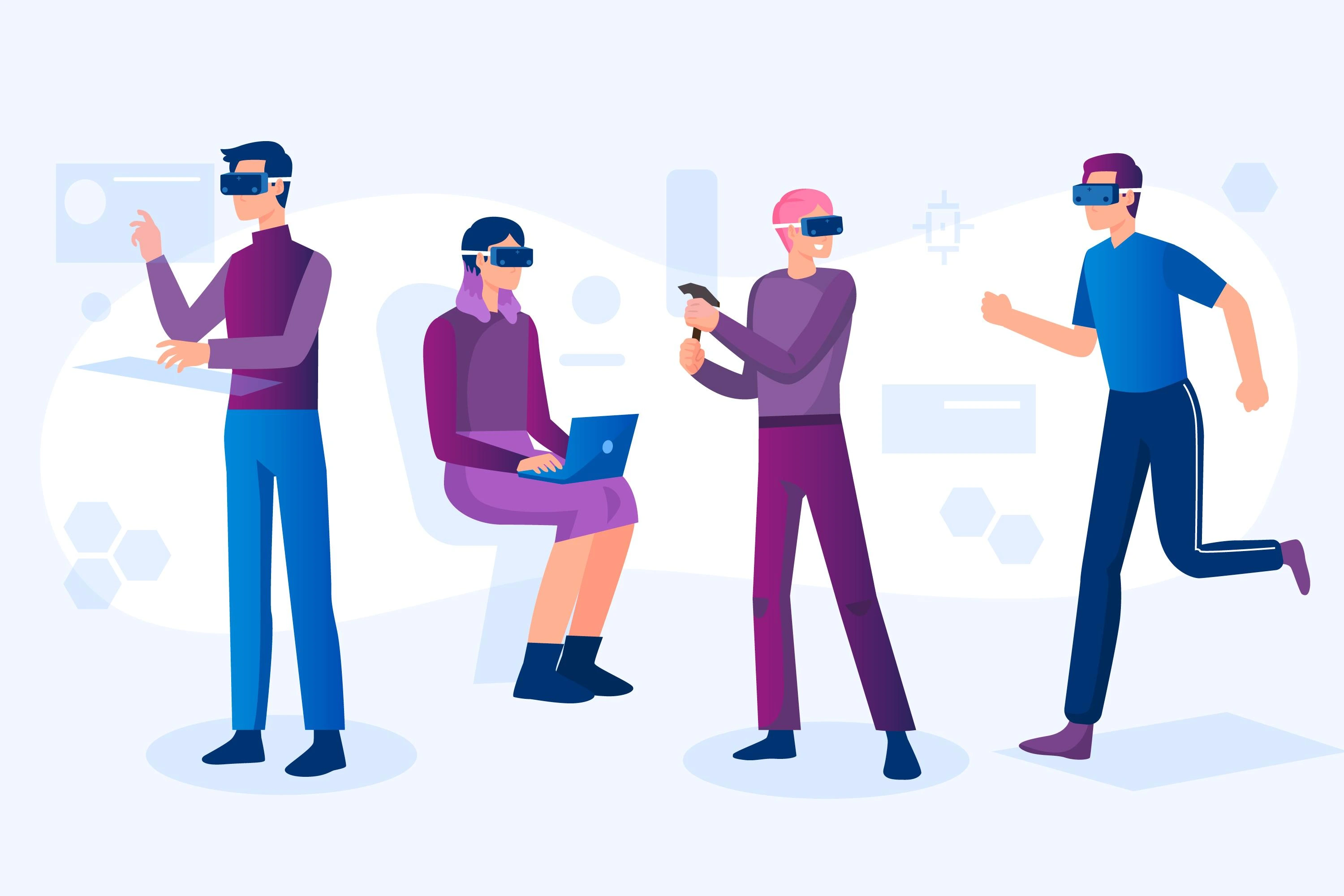
Augmented Reality (AR) and Virtual Reality (VR) have shifted from novelty features to essential UX tools in mobile app development. In 2025, these technologies are transforming how users engage with content, making mobile experiences more immersive, informative, and engaging.
Real-World Applications of AR/VR
- Real Estate: Apps like Realtor and MagicPlan offer full VR home tours.
- Retail: Shopify merchants now provide AR previews so customers can see how furniture or clothes look in their real space.
- Education: Platforms use VR simulations for medical training or virtual history tours.
“We saw a 42% increase in engagement after integrating AR previews into our shopping app.” — Product Manager, Retail App
Pro Tip
Integrate AR using Apple’s ARKit or Google’s ARCore for seamless iOS/Android support.
JBcodeapp Insight
We integrate AR modules for industries like eCommerce, real estate, and education using scalable cross-platform tools like Flutter and Unity.
Why Low-Code and No-Code Platforms Are Revolutionizing App Development
Low-code and no-code tools are democratizing app development—allowing even non-developers to turn ideas into apps. In 2025, these platforms are accelerating MVP development and reducing costs for startups and SMBs.
Advantages of Low-Code/No-Code Development
- Faster Time-to-Market: Build apps in weeks, not months.
- Budget Friendly: No need for a full development team.
- Great for MVPs: Launch lean, test early, and iterate fast.
Popular Platforms in 2025
- Bubble: No-code web app builder with backend logic.
- OutSystems: Enterprise-grade low-code for scalable applications.
- FlutterFlow: Visual builder using Google’s Flutter framework.
Need to Build an MVP Fast? See How JBcodeapp Can Help
“We launched our MVP 3x faster using a low-code tool paired with JBcodeapp’s backend API team.”

Build Future-Ready Mobile Apps with JBcodeapp
Lead the market with trend-driven app solutions.
Start Your ProjectJBcodeapp Pro Tip
Combine low-code UI tools with custom backend development to balance speed and flexibility.
How Blockchain Ensures Security and Transparency in Mobile Apps
Blockchain is no longer reserved for crypto—it’s now a foundational technology for mobile apps requiring trust, traceability, and data integrity. In 2025, blockchain's decentralized model is reshaping app logic in sectors like finance, supply chain, and healthcare.
Why Mobile Apps Use Blockchain Today
- Data Transparency: Every transaction or change is recorded immutably.
- Enhanced Security: No central point of failure; encrypted ledgers prevent tampering.
- Smart Contracts: Automate agreements without manual oversight.
Use Cases by Industry
| Industry | Blockchain Use |
|---|---|
| Fintech | Crypto wallets, smart contracts |
| Healthcare | Patient records, insurance claims |
| Logistics | Shipment tracking and route integrity |
| Real Estate | Property transactions and contracts |
“After integrating blockchain, our payment app saw a 60% drop in fraud cases.” — CTO, Fintech Startup
Looking for Enterprise-Grade Security?
We develop secure blockchain apps with APIs that plug into your mobile frontend seamlessly.
What Are Super Apps and Why Are They Dominating the Market?
Super apps bundle multiple services into a single, seamless experience. They are redefining how users interact with mobile ecosystems, offering everything from messaging to payments within one interface.
- Messaging + Payments + Rides all in one app.
- Popular in Asia: Apps like WeChat, Paytm, Gojek are dominant examples.
- The growing demand for all-in-one utility apps is reshaping digital ecosystems.
Why They’re Dominating:
- Unified Experience: Users don’t need to hop between apps to get things done, making the experience more efficient and convenient.
- Data Centralization: Super apps consolidate user data, enabling hyper-targeted services and better personalization.
- Higher Engagement: With a wider range of services, users tend to spend more time within the app.
Where Is Cross-Platform Development Headed in 2025?
Cross-platform development has evolved from a choice to a necessity. The goal is to write once, deploy anywhere, ensuring a consistent experience across devices while saving development time and costs.
- Flutter, React Native, and Kotlin Multiplatform continue to lead the way.
- These frameworks allow businesses to develop apps for both iOS and Android without needing to duplicate codebases.
- Code Efficiency: Write a single codebase, which is deployed on multiple platforms, drastically reducing the cost and time required for updates.
- Cross-platform apps now deliver performance and UX parity with native apps, addressing the concerns that used to hinder adoption.
Why it Matters:
- Time-Saving: Save on development time and resources.
- Cost-Effective: Reduce long-term maintenance costs by managing one codebase.
- Faster Updates: Push updates to both platforms simultaneously without worrying about fragmentation.
Build Cross-Platform Apps with Our Fullstack Team
How Cloud-Based Apps Improve Scalability and Storage
Cloud-based applications have become the cornerstone of modern enterprise mobility, enabling flexibility and scalability. They allow businesses to meet the needs of a growing user base without investing heavily in infrastructure.
- Serverless architectures like AWS Lambda, Google Cloud Functions, and Azure Functions provide elastic scaling based on demand.
- AWS, GCP, and Azure not only ensure better performance but also significantly reduce infrastructure costs, making cloud apps more affordable to maintain.
- Perfect for SaaS (Software as a Service), productivity apps, and file-sharing apps, which often require high availability and dynamic scaling.
Advantages:
- Scalability: Automatically scale up as demand grows without worrying about server maintenance.
- Cost Efficiency: Pay only for the resources you use, rather than maintaining expensive physical servers.
- Security: Leading cloud providers offer robust security features, including encryption and compliance with industry standards.
Why Wearable App Integration Is a Booming Segment
Wearable technology continues to gain popularity, offering real-time access to data and expanding the possibilities for personalized mobile experiences. Wearable apps are no longer limited to fitness—they’re becoming part of healthcare, entertainment, and lifestyle ecosystems.
- Fitness apps: Integration with smartwatches and fitness trackers like Apple Watch and Fitbit helps users track their physical activity, sleep patterns, and health data in real time.
- Remote patient monitoring: Medical wearables are enabling healthcare professionals to track patients’ vitals, ensuring timely interventions.
- Location-aware apps: Wearables enable location-based notifications, alerts, and recommendations, delivering personalized experiences in real time.
Opportunities:
- Healthcare Monitoring: Wearables can transmit health data (e.g., heart rate, glucose levels) to healthcare providers for continuous patient monitoring.
- Personalized Notifications: Wearables provide apps the ability to deliver hyper-targeted alerts based on location, activity, or health status.
See how we use cutting-edge tech to deliver better apps faster in 2025.
What Role Does IoT Play in Mobile App Innovation?
The Internet of Things (IoT) is revolutionizing the way mobile apps interact with the physical world, enabling smart automation and improved user experiences across multiple industries.
- Smart homes: Mobile apps now allow users to control everything from lighting to security systems via IoT-connected devices.
- Industrial sensors: Manufacturing industries use IoT-driven mobile apps to monitor and manage factory operations, sending real-time alerts to operator dashboards.
- Healthcare devices: Medical devices can sync with mobile apps, updating users’ health logs and enabling continuous health tracking.
The Future of IoT:
- Connected Cities: IoT will play a pivotal role in smart city development, integrating infrastructure with mobile apps to provide real-time insights into traffic, utilities, and public safety.
- Automation: With the integration of machine learning and IoT, mobile apps will offer intelligent automation, optimizing tasks like home energy management or factory workflows.
How Mobile Apps Are Supporting Digital Wellness and Mental Health
The intersection of technology and well-being is increasingly important, especially as more people seek balance in an increasingly connected world. Mobile apps now offer tools that help users manage both their mental and physical health.
- Meditation and breathwork: Apps like Calm and Headspace guide users through mindfulness exercises and help them manage stress with personalized reminders.
- App usage insights: Mobile apps are offering features that show how much time users are spending on their devices, helping them identify and reduce digital fatigue.
- Mood tracking: Apps like Moodpath and Daylio allow users to track their moods, providing insights and helpful suggestions for improving mental health.
Why It’s Important:
- Prevention: Digital wellness apps help prevent burnout and encourage healthier digital habits.
- Increased Awareness: By providing users with data about their behavior, these apps encourage mindfulness and reflection on their mental state.
Why Progressive Web Apps (PWAs) Are Still Relevant in 2025
Progressive Web Apps (PWAs) continue to blend the best features of the web and mobile apps, making them a cost-effective and scalable option for many businesses. They are rapidly becoming a key part of the mobile landscape due to their unique blend of offline capabilities and installable features.
- Work offline: PWAs can function without an internet connection, ensuring that users can access key features, even in areas with poor connectivity.
- Installable on any OS: PWAs are platform-independent, and users can install them on any operating system—whether it's Android, iOS, or Windows—without needing to go through app stores.
- Faster than traditional web apps: PWAs load quickly and provide a smooth experience, mimicking the performance of native apps.
Why They Matter:
- Cost-Efficient: PWAs eliminate the need for separate native app development for multiple platforms.
- Wider Reach: Since PWAs are web-based, they’re more discoverable via search engines and easier to install without app store barriers.
Stay ahead with 2025’s top mobile app trends
Explore Our App Services
How Voice Search and Voice-Enabled Interfaces Are Transforming UX
Voice-first experiences are a must-have in smart ecosystems. In 2025, users expect their apps to listen, respond, and perform commands without a single tap.
- Voice commands are now used across e-commerce, smart homes, and utilities.
- Native support for Google Assistant, Alexa, and Siri enhances integration.
- Improves accessibility for visually impaired and differently-abled users.
Voice UX is no longer a luxury—it’s becoming the new baseline.
What Makes App Security a Top Priority in 2025?
App security isn’t an afterthought—it’s a necessity. With rising digital threats, users want assurance that their data is safe and private.
- Biometric security like facial recognition and fingerprint authentication is expected.
- End-to-end encryption, multi-factor authentication (MFA), and secure cloud infrastructure are industry norms.
- Compliance with GDPR, HIPAA, and ISO 27001 ensures legal and operational confidence.
How to Build Secure Offshore Mobile Apps
Where Is App Monetization Heading in 2025?
In 2025, monetization isn’t just about ads—it’s about creating value-driven experiences.
- Freemium models let users explore before paying.
- In-app purchases offer convenience and upselling opportunities.
- Ad-based models use AI for personalized targeting.
- Subscription models are booming across fitness, learning, finance, and entertainment.
The key? Monetize with user value, not interruption.
How Sustainability Is Influencing Mobile App Development
As digital responsibility grows, sustainable app development becomes a competitive edge.
- Developers are opting for clean code and optimized images to reduce processing loads.
- Green hosting and carbon-neutral deployment are industry goals.
- Eco-conscious design—like dark mode and minimal animations—helps conserve device battery and lower emissions.
“Green UX” is more than a trend—it reflects brand values and user expectations.
Why JBcodeapp Leads in Modern Mobile App Development
At JBcodeapp, we stay ahead of the curve to help your business do the same.
- Build AI-powered, data-driven apps for smarter engagement.
- Integrate IoT, wearables, and sensors for real-time updates.
- Choose Flutter, React Native, or Swift for fast and responsive cross-platform builds.
- Get security-first development with secure APIs, MFA, and ISO-aligned practices.
How JBcodeapp Helps Startups Launch MVPs with Low-Code Tools
Launching an app idea shouldn't take months. With our low-code MVP services, you go from wireframe to real users fast.
- Use tools like FlutterFlow, OutSystems, or Bubble for UI.
- Plug into our custom backend APIs for power, flexibility, and scalability.
- Launch your MVP in under 30 days, collect feedback, and pivot fast.
Final Thoughts
Mobile apps in 2025 are smarter, faster, and more immersive than ever before. From AI to sustainability, these trends offer a roadmap to build user-first, future-ready apps. The companies that adopt these trends today will lead tomorrow’s markets.
Ready to lead with innovation?
Explore how JBcodeapp’s mobile experts can help you build future-ready apps with confidence and quality.
Let’s discuss how we can bring the latest app tech like AI, 5G, and IoT into your mobile app.
Frequently asked questions
The most popular stacks in 2025 include Flutter, React Native, and Kotlin Multiplatform for frontend, and Node.js, Laravel, and Firebase for backend services. AI APIs, GraphQL, and cloud-native solutions like AWS Amplify are also being widely adopted for intelligent app features and scalability. If you're looking for flexible and fast delivery, consider partnering with a mobile app development company like JBcodeapp.
Development time varies based on complexity. A minimum viable product (MVP) usually takes 4–8 weeks, perfect for startups wanting to launch fast and test early. A full-featured application can take 3–6 months or more, depending on features, integrations, testing, and compliance requirements.
For most businesses, cross-platform development using Flutter or React Native is more efficient. It reduces cost and time by sharing code across platforms. However, if your app requires deep hardware integration (e.g., IoT, AR, or Bluetooth), native apps (Swift for iOS, Kotlin for Android) are still recommended. We help you decide the best approach based on your project goals.
With the right architecture, cloud-based apps are highly secure. Using encryption protocols, OAuth2, multi-factor authentication (MFA), and ISO/GDPR compliance, apps built with modern cloud services like AWS, Google Cloud, and Azure offer top-tier security. Cloud-native mobile development also ensures easier scalability and cost-efficiency.
An MVP (Minimum Viable Product) typically costs between $5,000 to $30,000, depending on complexity, design, platform (Android, iOS, or both), and backend functionality. For budget-conscious startups, low-code and cross-platform solutions offer faster time-to-market with reduced development costs.
Not anymore. Thanks to tools like TensorFlow Lite, Dialogflow, OpenAI APIs, and platforms like Firebase ML, AI integration is now more developer-friendly. Regular maintenance involves retraining models or tweaking responses, which can be managed easily with the right development partner.
Yes. Modern mobile frameworks now support blockchain SDKs like WalletConnect, MetaMask Mobile, and Web3.js. Many fintech and e-commerce apps use blockchain for crypto transactions, smart contracts, and NFT integration. If you’re building a secure crypto-ready app, we recommend starting with a well-architected backend and secure wallet integration.
Wearable app development in 2025 covers a range of platforms like: watchOS for Apple Watches, Wear OS for Android smartwatches, Tizen for Samsung wearables, SDKs for devices like Garmin, Fitbit, and Xiaomi Bands. We also offer IoT-enabled app development to connect wearables with smart devices in real time.
Absolutely. Enterprise apps can connect to existing ERP, CRM, and HRMS systems using APIs, secure endpoints, and middleware. Popular integrations include Salesforce, SAP, and Microsoft Dynamics 365. At JBcodeapp, we’ve helped multiple businesses with enterprise mobility solutions that sync perfectly with their legacy systems.
Look for a company with strong industry experience, case studies or portfolio, clear communication and agile workflow, and post-launch support. Explore how JBcodeapp’s mobile experts can help you build future-ready apps with confidence and quality.
Share on

Jigar Patel
inJigar Patel writes blogs for IT companies on software development and emerging technologies, helping readers stay updated in the fast-paced tech world.